A game
engine is a software framework designed for the creation and development of video games. Video
game developers use them to create games for video game consoles, mobile devices and personal
computers. The core functionality typically
provided by a game engine includes a rendering
engine (“renderer”) for 2D or 3D graphics, a physics
engine or collision
detection (and collision response), sound,
scripting, animation, artificial intelligence, networking, streaming, memory management, threading, localization support, and a scene
graph. The process of game development is often economized, in large part, by reusing/adapting
the same game engine to create different games, or to make it
easier to "port" games to multiple platforms.
Engines, okay I got this. Actually, no, this is one of my
weaker points as well. So far we have documentation and engines. But what I
know I am willing to share.
All engines have their strength, and are particularly aimed
at different groups of people. This is often due to payments you have to cover for
the use and publishing, rather than the technical aspect.

Personally I enjoy UDK, maybe it is not the best user
friendly, or artist friendly even geared software. But give it a time and it
can do miracles, bring you miserable meshes into life within its little environment,
that you also get to create. Unreal Engine good sides are definitely of how
simple – to advanced games you can create. It can be programming heavy, it
offers a lot. However on the dark side, hah, dark side… it struggles with its
real time lighting. As in, it’s really, really hard, so hard that you may not
bother and just bake things in. If you are into day and night cycles, this is
definitely not your best choice. But it
allows you to make simple games, simple games that you would maybe prefer to
use the Unity for, but it doesn’t quite click it. It’s good enough to give you
opportunity of easy scripting and an alright user interface.
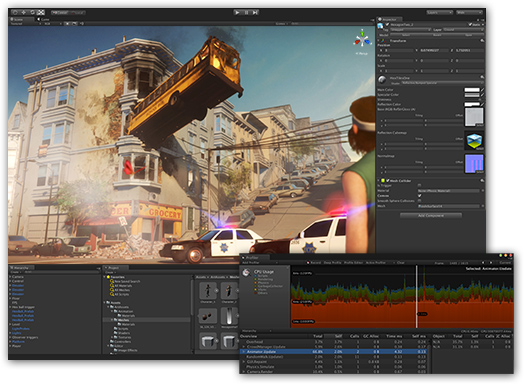
Then what about Unity? Well, it’s great, probably your first
choice as small indie company, willing to start little project. It is user
friendly, simple and doesn’t require heavy programming knowledge unlike UDK
sometimes does. It offers broad range of tutorials on their site and it is
lightweight in terms of computer spec requirements, unlike let’s say Cryengine.
As I mention before it runs on multiple devices, like pc, android phones and
tablets. Its licence is fairly priced
and available for anyone with limited budget. It’s definitely a nice little
engine to play around with.
Cryengine – runs on your tears. I am kidding, Cryengine is
nice hefty engine, it offers great lighting settings, with correct settings and
use you can make not so great things look great. Its nodes system is more
understandable than that of Unreal, at least for me, and with plugin to export
your stuff from 3ds max it’s definitely easier to navigate in, but that may be
more of my personal preference again. Unlike UDK it is able to render real time
light, day and night cycle and it is definitely your choice for realistic, high
poly looking projects. However it’s pricing may not be a good starter for
smaller studios.
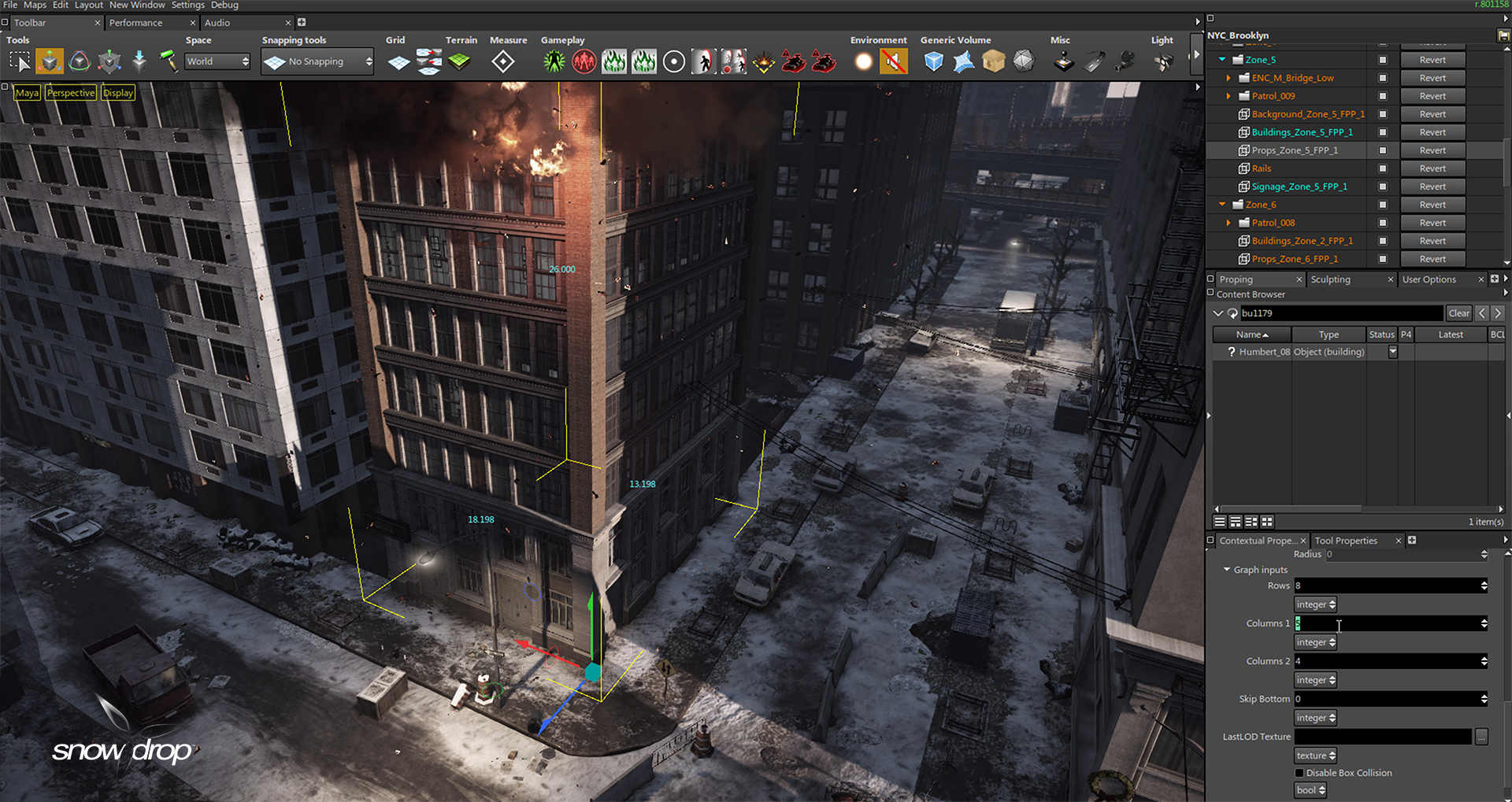
There are many other engines that look amazing that I yet
have to check out, like Snow Engine, good old Source engine and many more. Did
you know there is engine called Game Salad that is mostly used for IPhone
build? Well, there is. There is also one
called Jedi, which is currently in the development; you can guess which game
uses that.
Game engines are definitely something I need to look into
more and something you have to try out yourself to fit most suitable one, I’ve
only wrote down the popular choice ones and ones I had a chance to look at.
For full list of engines look here:
Reference:

No comments:
Post a Comment